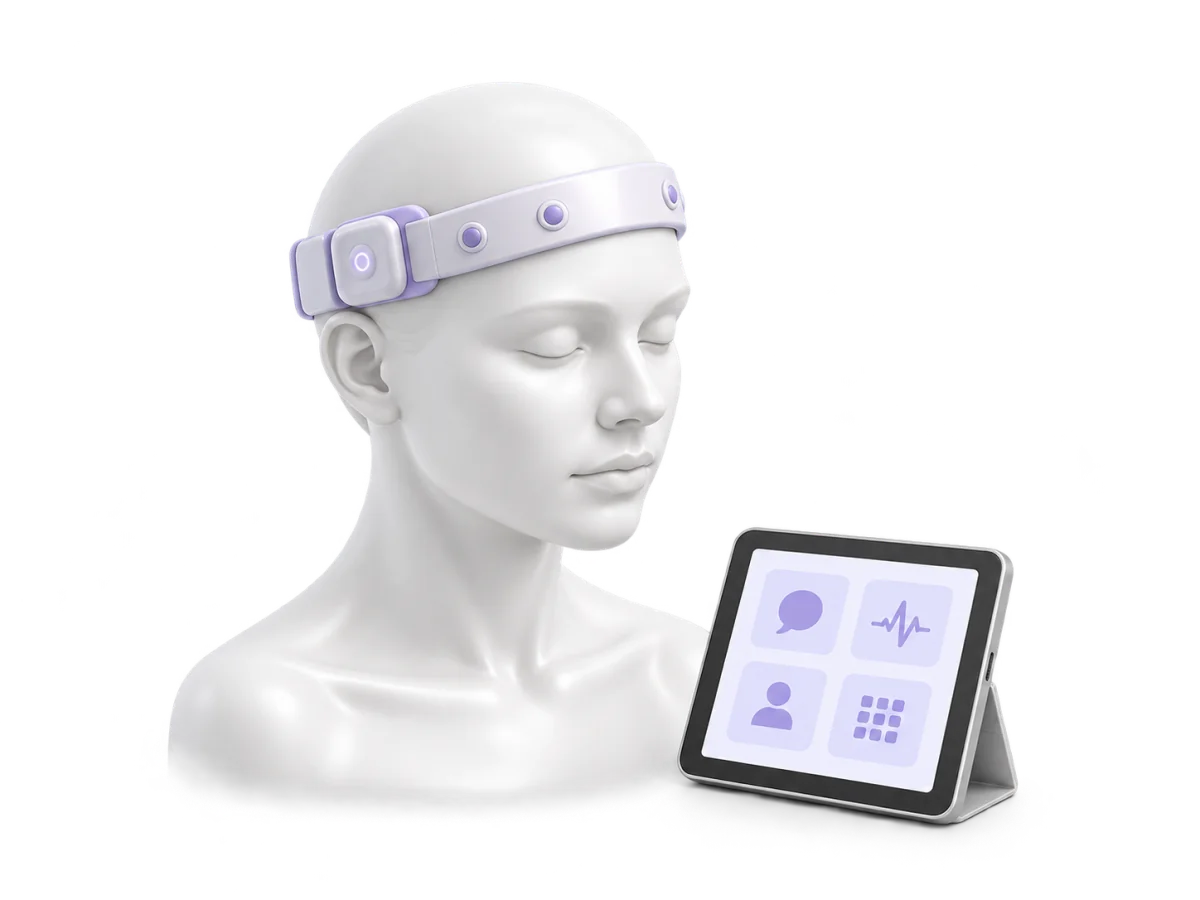
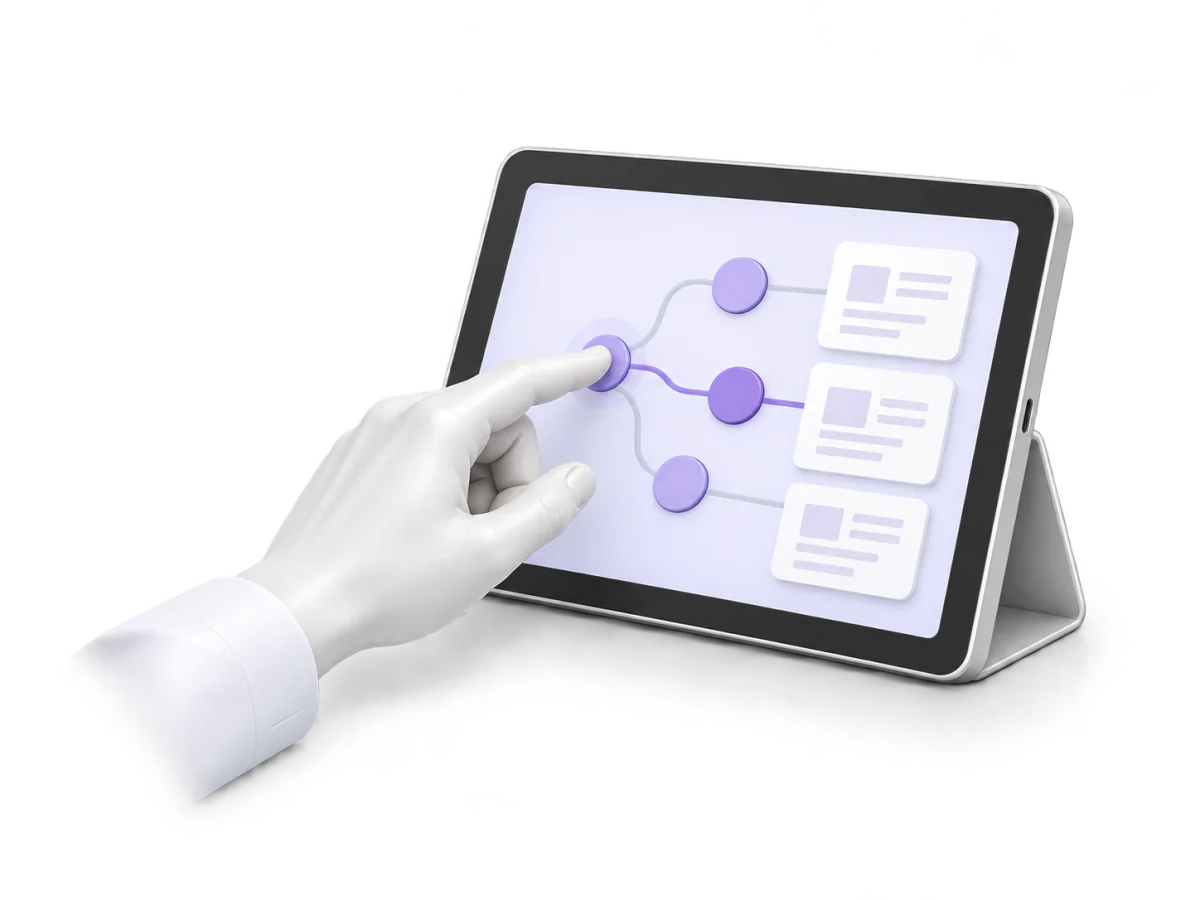
Brain–computer interfaces are the first domain available through Explore, Assess and Monitor. The shared platform supports adaptation to other fields, using the knowledge and validation each domain requires
Available now
Brain–computer interfaces
Explore human needs and technological possibilities, assess a specific project, or examine the published BCI field
The BCI Compass connects technical context with evidence, benefit, harm, uncertainty and responsibility
Applying Compass to another field is more than changing a topic label. The method provides a structure; the domain supplies the knowledge
What carries across
Frame the purpose, people and context.
Distinguish evidence, claims and uncertainty.
Explore alternatives, pathways and tradeoffs.
Make conditions and review questions explicit.
Reuse platform components where the domain supports them.
What must be developed
The domain's concepts and project descriptions.
Relevant evidence standards and indicators.
Pathways, affected people and responsibilities.
Appropriate model assumptions and thresholds.
Source-backed examples, testing and validation.
Shared architecture does not make every BCI feature available in every domain. The applications below have different levels of implementation and are not equivalent public Compass experiences
Applications being developed
These directions show how the method can address different decisions. No launch dates are announced here
Domain adaptation in development
Cryosphere and high-mountain resilience
Examine adaptation value alongside ecological disturbance, reversibility, legitimacy and downstream dependencies
Development descriptions reflect the current domain work. They are not statements of institutional adoption, validated effectiveness or release commitments
A different domain? Start with the decision
Tell us what people need to decide, which evidence is available, and where assumptions or responsibilities are difficult to examine