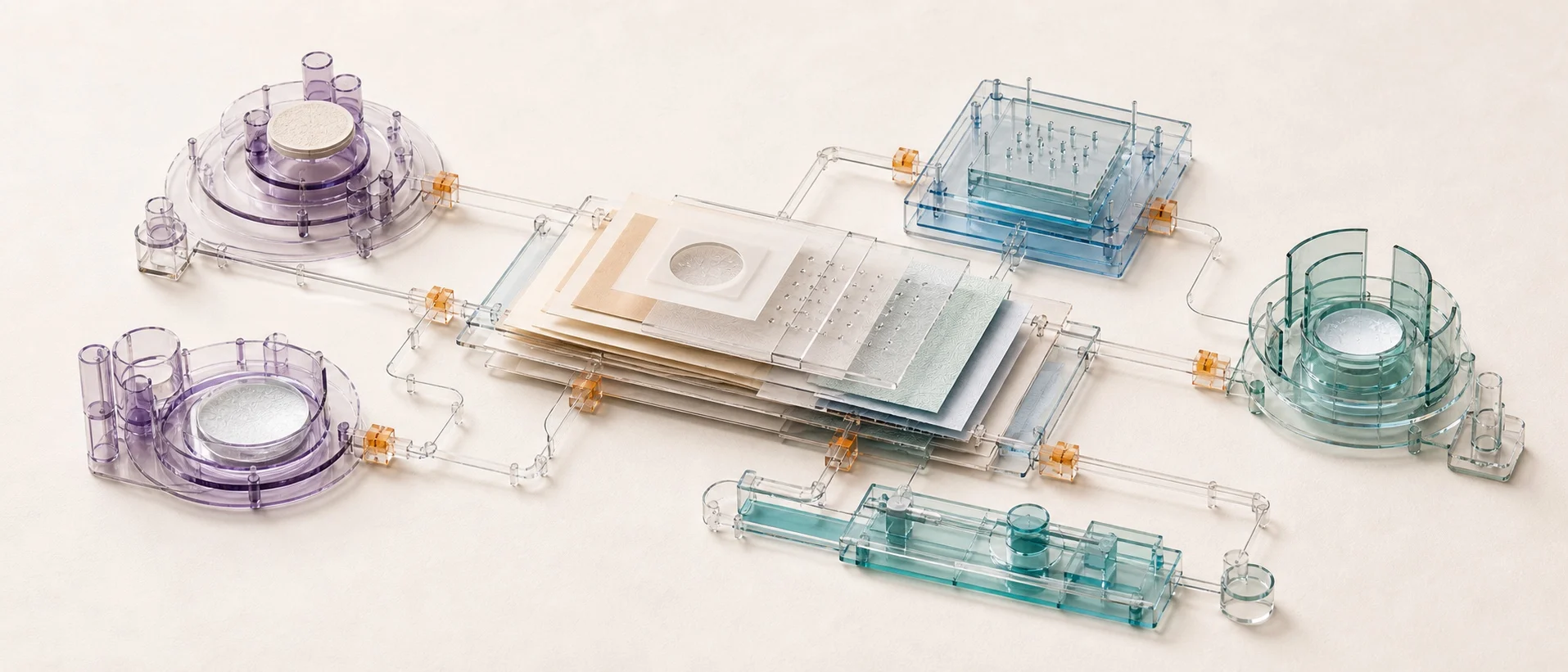
Brain-computer interfaces (BCIs) are opening new possibilities for treatment and rehabilitation. Getting those benefits into everyday care requires the decisions made by funders, researchers, reviewers, and hospitals to stay connected as a project changes.
For stroke rehabilitation, a patient might wear a cap that records electrical activity from the scalp while they complete exercises on a computer. The system estimates when their attention is fading and adjusts the exercise within limits set by a therapist.
In a news story, the results might sound encouraging. The project received funding, passed formal reviews, and was tested with patients. Stroke survivors and therapists helped the team notice burdens that performance measures alone would miss. With evidence of benefit and serious scrutiny behind it, the technology can appear ready for the obvious next step: making it available in clinics so that more patients can benefit. Yet the hospital still has to establish whether it can sustain the conditions that made the intervention useful in the study.
We'll use the same fictional BCI, Relay, that in a previous article showed why gaps can remain even after several legitimate reviews. Suppose Relay has demonstrated a substantial benefit under study conditions. A hospital is now considering whether to offer it as a regular, supervised part of rehabilitation. It must establish whether ordinary appointments allow enough time to fit and calibrate the cap, whether enough therapists can be trained, who maintains the equipment, and how care continues through software changes or system failures.
The study may have answered its research question in a typical setting, that is with a dedicated team, selected participants, protected setup time, and a fixed device version. Hospital settings are different, though. The hospital has to decide whether it can sustain the conditions needed for that benefit, patient after patient, within ordinary staffing, budgets, IT systems, and clinical responsibilities. The rigorously awarded permission to conduct the study did not answer that question.
The earlier reviews had different purposes. A funder judged whether the research deserved support. An ethics committee judged whether people could responsibly take part. The manufacturer assembled evidence for the device's safety, performance, and usability. Stroke survivors and therapists changed what the study needed to measure. Each contribution matters to the hospital's decision, but none establishes that this hospital can provide a dependable service.
Improving each institution's work would help, but the connection between their decisions also needs to be designed. A research team can produce strong evidence, and a hospital can assess it carefully, while a practical question remains unanswered: can the conditions that produced the benefit be sustained in ordinary care?
Answering that question requires work across their responsibilities. The hospital's constraints need to inform what the research team investigates next. Patients' experience needs to shape what counts as a satisfactory answer. The resulting evidence must then return to the hospital's adoption decision, without replacing the separate judgments required along the way.
Shared forms, terminology, and evidence summaries could help. Different institutions still require different evidence and remain accountable to different people. One favourable verdict cannot settle all their questions. But preserving those differences does not establish that, together, the institutions can address every consequence of the project.
The design challenge is therefore to connect questions, evidence, and action while the project's course can still change. That requires time to learn, affected people able to influence the choices, and responsibilities that cover the consequences. Five design principles follow from that challenge.
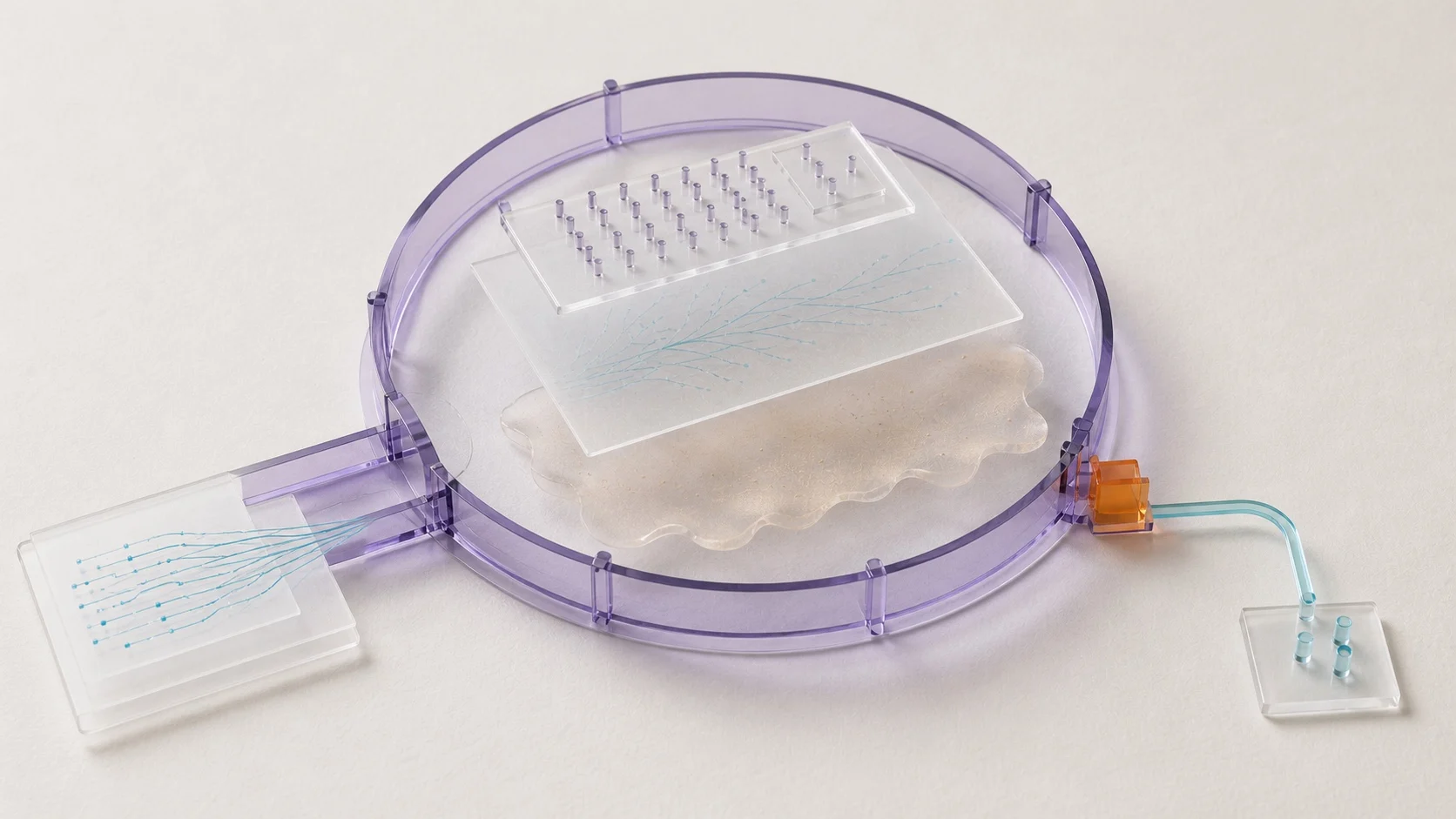
1. Keep uncertainty inside the decision
Every decision should state what remains uncertain, why the proposed next step is justified, and what evidence would change it. Keeping those things together gives the people doing the next piece of work a question they can act on.
Consider the hospital's stringent requirements for time that can be allocated to patient preparation. Suppose it finds that the fitting and calibration process used in Relay's study leaves too little time for therapy within an ordinary appointment (a common criticism of many high-accuracy EEG studies). It does not yet know whether preparation can be shortened without weakening performance, increasing fatigue, or excluding people who need more support. The study result supports further interest; the practical constraint identifies what must be investigated next.
An encouraging result can otherwise become a general statement that the system works. An unresolved practical question can become an equally general reason to wait. Neither gives the research team a clear next task.
If the hospital asks the team to investigate shorter preparation, the record should explain which finding prompted that request, what remains untested, and what evidence would allow the hospital to reconsider. The investigation would need its own appropriate review; the hospital's interest in the answer would not supply permission to conduct it.
It would also need limits on what patients are exposed to, conditions for stopping, and arrangements for continuing care if the revised process proves unsuitable. Calling an investigation limited does not establish that it is safe. Some burdens or harms cannot be undone by stopping, and the prospect of useful evidence does not by itself justify imposing them.
Timing matters even when the investigation is well bounded. If the hospital commits its staffing and purchasing before the findings arrive, it may learn that the process is unsuitable after changing direction has become much harder. The plan should specify when results are needed, who can pause or revise the next commitment, and whether that person has the means to act. If learning cannot be made safe enough or timely enough, the next step needs to be narrowed, redesigned, or postponed.
Waiting also needs an owner and a purpose. If no one has the time, funding, or access to a clinical setting to answer the question, recording an evidence gap does little to close it. The decision should make that dependency visible and establish when it will be revisited.
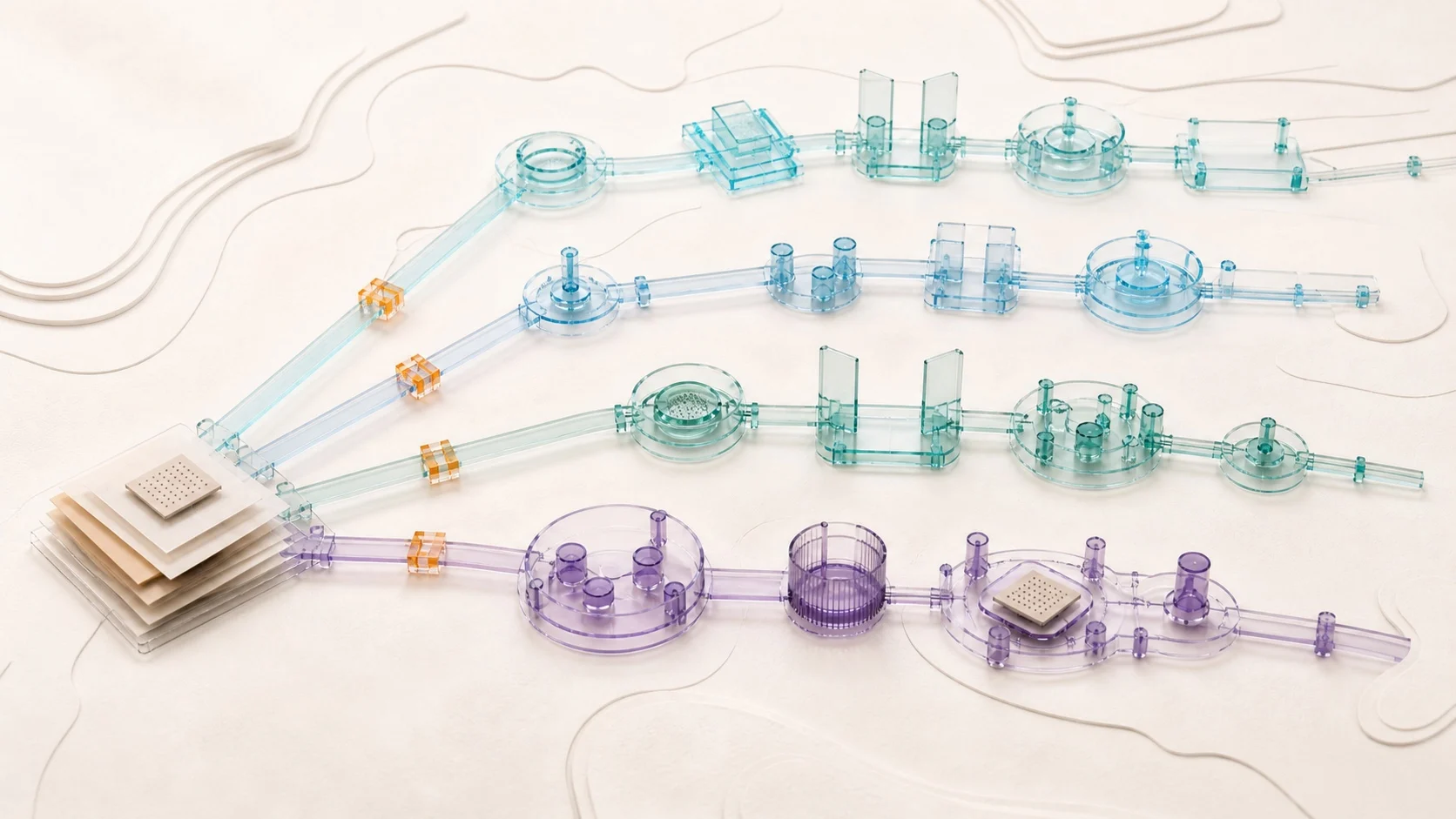
2. Compare possible pathways before one becomes the default
A useful system should compare plausible pathways — the different ways a project could develop from here — before present choices make one difficult to change. For Relay, the preparation problem presents a choice: adapt the clinic around the existing process, or redesign that process to fit ordinary appointments.
Keeping the existing process might mean longer appointments, more staff time, and fewer sessions in a day. Pursuing shorter calibration would require design work and new evidence that the time saved does not come at the expense of performance or patients who need more support. Both routes aim at rehabilitation, but one builds a more resource-intensive service around the existing device; the other depends on further development before the proposed service becomes feasible (for instance, a home use version, in which patients or family members take on work previously done by trained staff).
A commitment to longer appointments could shape staffing and budgets; a commitment to redesign could shape the next grant and study. Comparing these pathways before those commitments are made keeps their costs, uncertainties, and consequences for patients open to examination. Neither should become the assumed future simply because it was the first response to the preparation problem.
The comparison should include continuing with existing care while the question is investigated. Waiting could delay a useful service; proceeding could commit resources to an arrangement that cannot be sustained. Claims about either cost need a basis. Reversibility is practical too: changing a plan on paper is easier than replacing equipment, retraining staff, or changing care on which patients have come to rely.
Each pathway should distinguish what the hospital can choose from what depends on others. Shorter calibration may require the manufacturer's cooperation; a new study may depend on funding and access to another clinic. A pathway whose essential participants have made no commitment remains a conditional possibility.
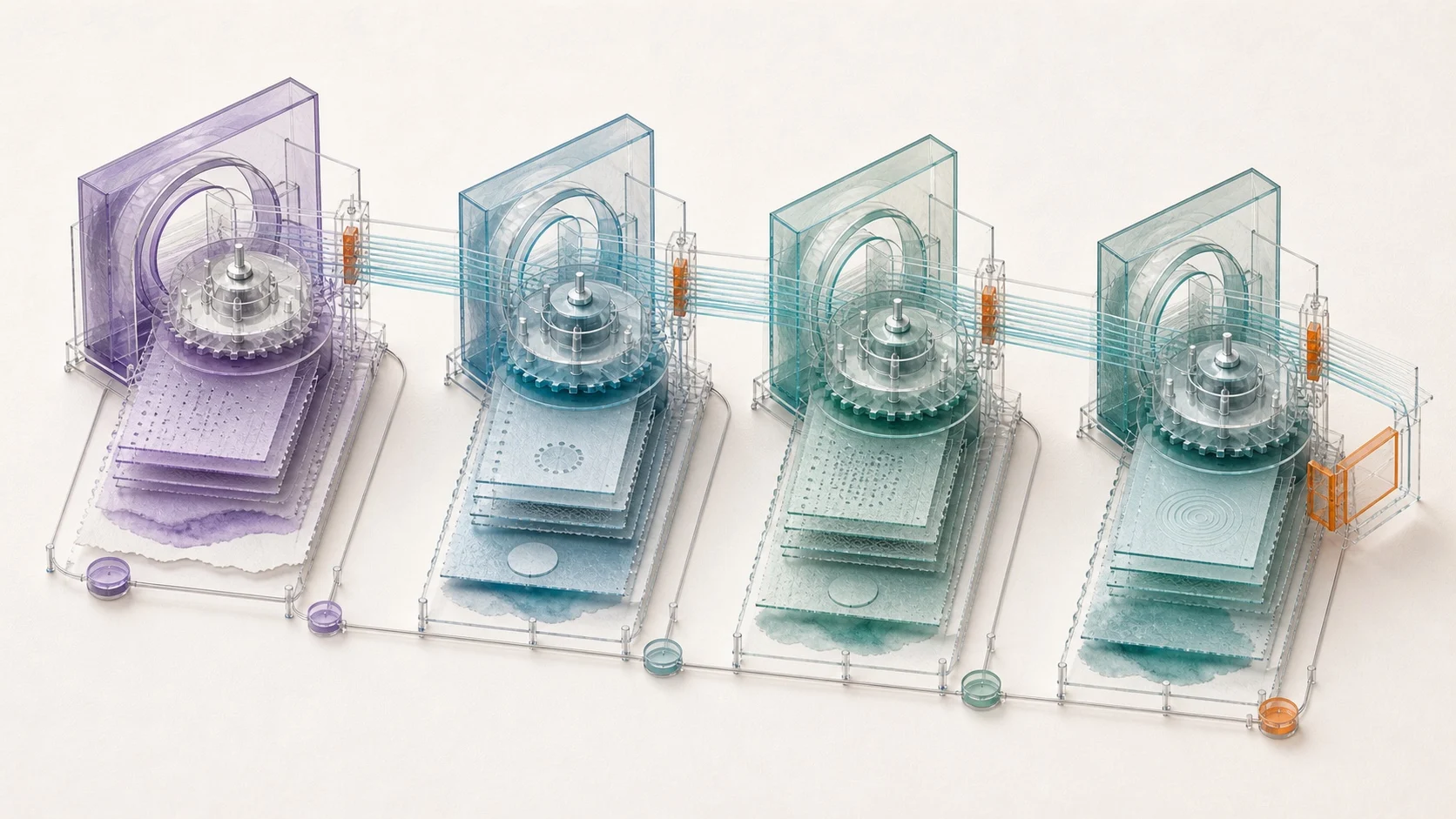
3. Keep findings connected to the conditions in which they were obtained
A finding should travel with the conditions that produced it, so a later reviewer can judge whether it supports the current proposal. Changes to a device, its users, or its operating conditions can leave an earlier result valid while making it insufficient for the next decision.
Suppose Relay's team proposes a shorter calibration process. The project still has the same name, and the cap may look unchanged. The hospital nevertheless needs to compare that proposal with the original study's participants, assistance, device and software versions, and measures of success.
The record should distinguish a proposed change from one that has been tested. A shorter setup time measured with experienced researchers, for example, would still leave a question about what ordinary clinical staff can reproduce. Evidence supporting one change would not automatically support every other difference between the study and the proposed service.
For each finding, the account should state what it supports, what remains uncertain, and which changed conditions require fresh evidence. A change need not invalidate everything learned before it. The task is to identify the claim that the earlier evidence no longer establishes and the investigation needed to support it under the proposed conditions.
This is what evidence lineage means in practice: being able to follow a current claim back through the results and arrangements that support it. The original study, the revised design, and the hospital's operating plan remain distinct records. Their relationship becomes easier to inspect, including the reasons an earlier decision may need to be revisited.
Learning must also travel back from the clinic. If later experience reveals that a support requirement was underestimated, that finding should reach the team's design assumptions and the hospital's plan. Preserving the past matters because it helps people judge what a new observation changes.
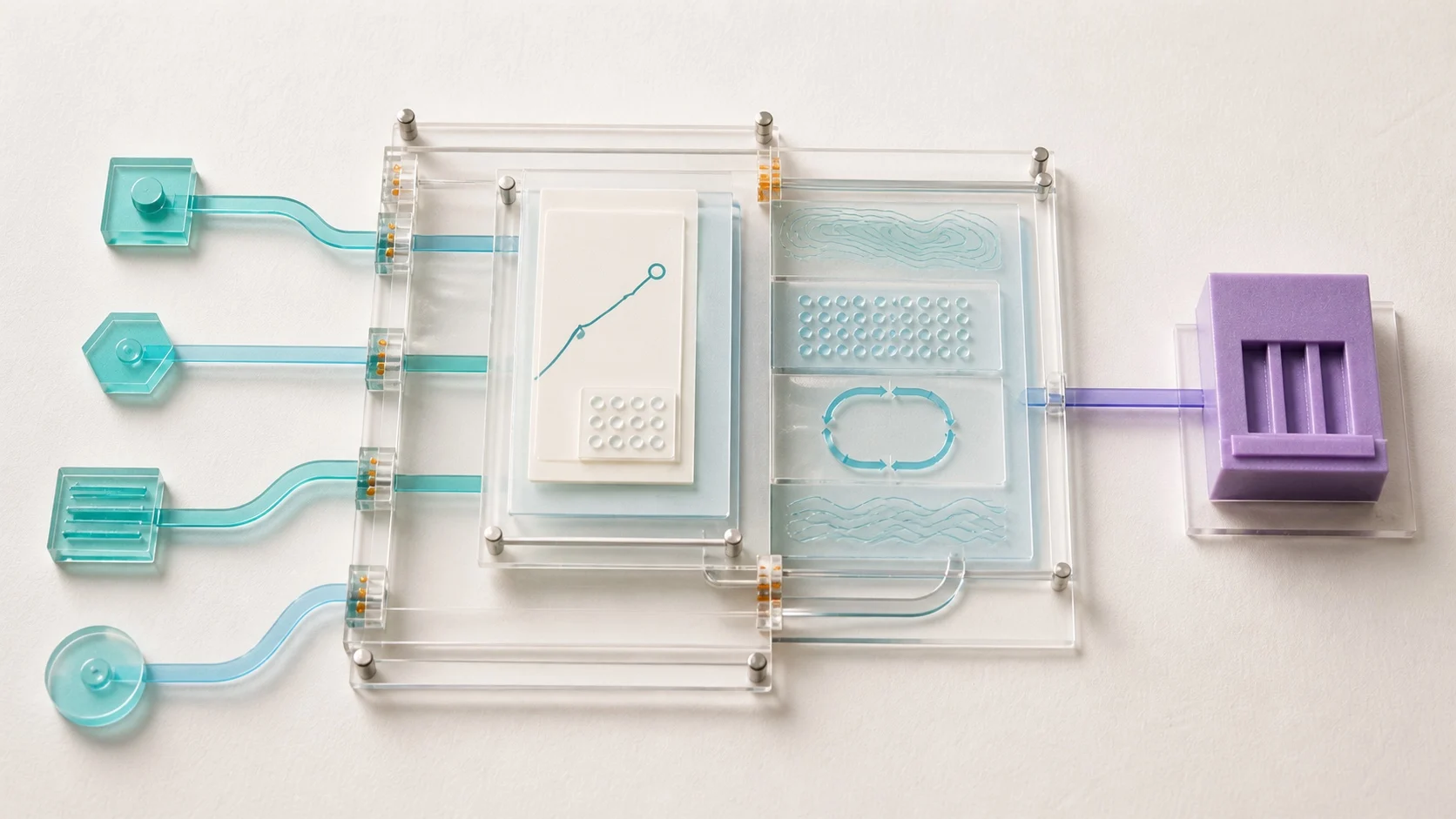
4. Give affected people meaningful influence over the frame and the decision
People affected by a technology need a practical way to change what the project calls success, what it measures, which burdens it considers acceptable, and whether or under what conditions it proceeds. That influence needs to be demonstrable in the proposal and the decision process, including when people disagree.
The calibration problem initially looks like a scheduling problem. A hospital wants more time for therapy within an appointment. A developer wants a faster setup. But patients may reveal that the relevant burden also includes travel, repeated adjustments, uncertainty about whether a session will work, and fatigue afterwards. A faster setup would address only part of that experience, and perhaps not the part patients most want changed.
In Relay's story, stroke survivors and therapists already changed the study by making preparation, fatigue, and repeat use part of its measures. That influence needs to continue when the team tries to shorten calibration. Patients and therapists should help determine whether the revised process is tolerable across repeated sessions, not simply whether it is faster.
If the shared account calls the revised process easier, a patient who finds it more tiring should be able to contest that claim. The objection should remain connected to the proposed arrangement, with an explanation of how it changed the plan or why the institution chose another course.
The process should explain who participates, how representatives are selected and accountable to those they represent, and whose experience remains absent. The people able to attend a meeting may not include those most affected by travel, fatigue, or communication difficulties. Accessible materials, time, support, and compensation where needed should enable participation before commitments become difficult to change.
The demands on representation should reflect the reach of the consequences. Participants in one Relay study cannot speak for everyone who might later depend on the service. If use expands across clinics, the process needs to examine whose circumstances and interests the original participants could not represent. A record of comments is insufficient: participants should know which choices they can influence and be able to see how their contributions were considered, what changed, and how a disputed response can be challenged.
Article 4(3) of the UN Convention on the Rights of Persons with Disabilities requires States Parties to closely consult with and actively involve persons with disabilities, through their representative organisations, in relevant decision-making. UNESCO's 2025 Recommendation on the Ethics of Neurotechnology also addresses participation and impact assessment throughout the technology's life cycle. For system design, the implication is that participation needs a route into the assumptions and decisions that shape the project.
That route has to be usable: people need accessible ways to inspect what is said about their experience, correct it, and obtain a response. They also retain their own choice about using the technology. Their involvement does not make them responsible for the manufacturer's design, the funder's award, or the hospital's staffing. Each institution must explain and own its response.
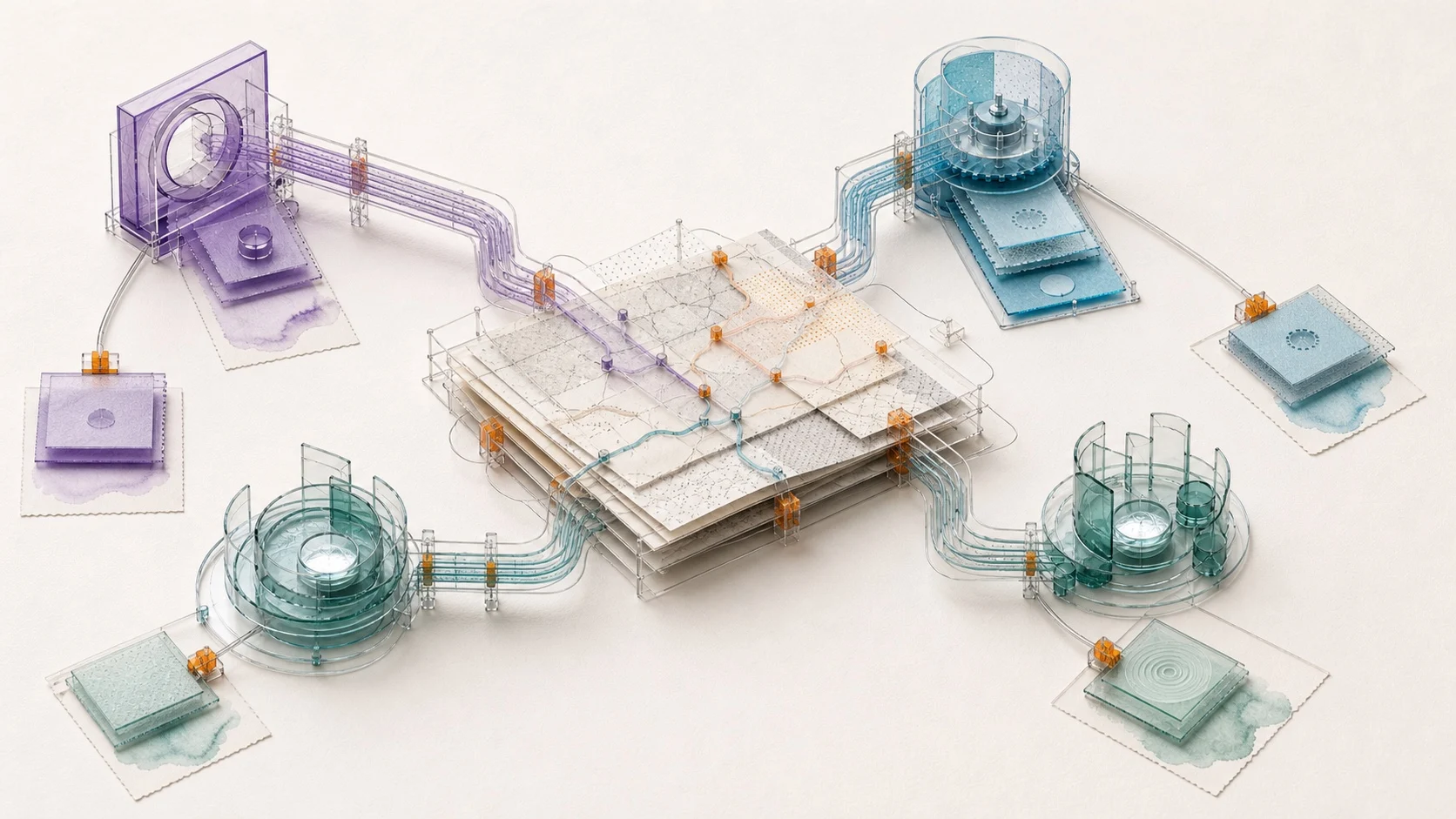
5. Connect decisions, preserve distinct responsibilities, and expose gaps in collective authority
A shared project account should make clear what each institution decided, what others can rely on, and which questions they must answer for themselves. Each decision needs an identifiable authority, scope, conditions, and responsibility for follow-up. Those distinctions allow institutions to use one another's work without treating an earlier decision as a general endorsement. The account should also show whether their combined authority covers the consequences of the proposed actions.
The same preparation problem can justify different decisions. A funder may see a worthwhile research question. The research team may identify an experiment and limit what it can currently claim. An ethics committee must judge the study put before it. The manufacturer must assess what a design change means for the evidence supporting its device. An investor may reconsider the cost of providing support. The hospital may conclude that its present service proposal cannot yet be sustained.
Shared terminology, forms, and evidence summaries could help all of them. Those practical forms of coordination are compatible with separate authority. Funding for the new study would not establish that the hospital should adopt its eventual result. A market-access decision would not establish that patients find the proposed support arrangement acceptable.
Yet the combined reach of those decisions also needs examination. Suppose several hospitals depend on the same Relay software and support provider. Each hospital can decide whether to use it, and the provider can make commitments within its own business. If the provider withdraws, however, an individual hospital may lack the access, resources, or authority to secure continuity across the affected services. Separate, well-documented decisions can still leave a shared dependency unresolved.
The first task is to establish whether an existing responsibility has been neglected, a commitment is missing, or the institutions' combined powers are insufficient. The response might be a funded continuity agreement, a shared service arrangement, or a collective body with an explicit mandate. Creating or extending authority requires justification of its scope, resources, accountability, and means of challenge. Preserving distinct responsibilities should leave room for that response when coordination alone cannot secure it.
The OECD Recommendation on Responsible Innovation in Neurotechnology addresses safety, inclusivity, deliberation, oversight, stewardship, and anticipation across the innovation process. It calls on actors to implement its principles according to their respective roles. That provides a basis for coordination that preserves their different responsibilities.
The account itself also needs an identified maintainer and a way to challenge its contents. Whoever maintains it selects what others see. Readers should be able to identify who supplied a claim, who revised it, and whether it is disputed. Keeping information connected does not require exposing every confidential document or personal record to everyone. It does require making the basis and limits of a claim intelligible to those who need to judge it.
For Relay, a report that preparation still consumes too much therapy time needs a route to the people responsible for the design and service plan. If those people cannot resolve it within their responsibilities, the account should identify where a joint commitment or additional authority is needed. The shared record can expose that gap; the institutions concerned must establish who can act.
From a shared map to a practical next decision
Together, these principles could help Relay's hospital identify a concrete next step before reconsidering routine use. Comparing longer appointments, shorter calibration, and waiting with the existing care would make the alternatives and their burdens visible. If that comparison points towards investigating shorter calibration, the hospital and research team could define what needs to be tested under ordinary clinic conditions, how the investigation can be safely bounded, and when its findings must arrive to affect the adoption decision.
Patients and therapists would help determine whether shorter preparation is less burdensome, not simply faster, and could challenge the proposed conditions of use. The research team would own the study design, the relevant review bodies would assess it, and the hospital would state which findings would justify reconsidering adoption. The hospital's practical constraints would therefore shape the next investigation, whose results would return to the decision about providing care.
An independent digital platform could help keep these relationships visible as the evidence and proposals change. For Relay, it could connect the original study findings, the proposed calibration change, the questions still requiring investigation, and responsibilities that remain unresolved. Its usefulness would depend on people being able to understand, challenge, and update that account. It could make the need for a joint decision visible, while the mandate to make and enforce that decision would have to come from the institutions concerned.
Those connections would not themselves shorten preparation or make the service viable. They help direct the next required study towards a difficulty that would otherwise continue to block routine use. That is a clear way of accelerating promise to reality.